
双耀
Exploring the Mechanisms Behind Extra High Pressure Plunger Pumps: A Comprehensive Guide
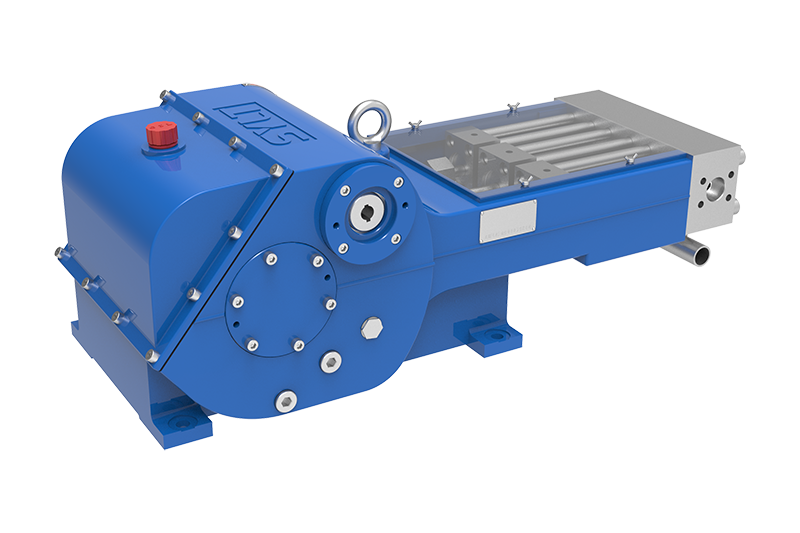
Exploring the Mechanisms Behind Extra High Pressure Plunger Pumps
Table of Contents
- Introduction to Extra High Pressure Plunger Pumps
- Understanding the Mechanism of Plunger Pumps
- Key Design Features of Extra High Pressure Plunger Pumps
- Applications of Extra High Pressure Plunger Pumps
- Advantages of Using Extra High Pressure Plunger Pumps
- Maintenance Tips for Optimal Performance
- Troubleshooting Common Issues
- Future Developments in Plunger Pump Technology
- Conclusion
- Frequently Asked Questions
Introduction to Extra High Pressure Plunger Pumps
Extra high pressure plunger pumps are remarkable devices that play a pivotal role in various industries, including manufacturing, oil and gas, and water treatment. These pumps are designed to handle extremely high pressures, often exceeding 40,000 PSI, making them ideal for applications that require precision and reliability. Understanding the intricate mechanisms behind these pumps not only enhances their operational efficiency but also aids in troubleshooting and maintenance.
Understanding the Mechanism of Plunger Pumps
Plunger pumps operate on the principle of positive displacement, utilizing a plunger to move fluid through a chamber. This section will delve into the mechanics of how these pumps function and the components that make them unique.
The Components of Extra High Pressure Plunger Pumps
The primary components of a plunger pump include:
- **Plunger**: The plunger is the key element that creates pressure. It moves back and forth within a cylindrical chamber, drawing fluid in on the suction stroke and forcing it out on the discharge stroke.
- **Cylinder**: This is where the plunger operates. The material and design of the cylinder are crucial for maintaining high pressure and durability.
- **Inlet and Outlet Valves**: These valves control the flow of fluid into and out of the cylinder. They open and close at specific times to allow for efficient fluid movement.
- **Drive Mechanism**: Usually powered by an electric motor or a diesel engine, this mechanism provides the energy needed to move the plunger.
How Does the Pump Create Pressure
When the plunger moves downward, it creates a vacuum that opens the inlet valve, allowing fluid to enter the cylinder. As the plunger moves upward, the inlet valve closes while the outlet valve opens, forcing the fluid out under high pressure. This repeated action generates a consistent flow of pressurized fluid.
Key Design Features of Extra High Pressure Plunger Pumps
The design of extra high pressure plunger pumps is tailored to withstand extreme conditions while maximizing efficiency. Several key design features contribute to their effectiveness.
Materials Used in Construction
To endure high pressures, manufacturers often use materials such as stainless steel, titanium, and specialized alloys. These materials provide strength and resistance to corrosion, extending the pump's lifespan.
Sealing Technology
Effective sealing is essential to prevent leaks and maintain pressure. Advanced sealing technologies, such as lip seals and O-rings, are employed to ensure a tight fit and prevent fluid loss.
Cooling Systems
High pressure operation generates heat, which can affect performance. Many plunger pumps are equipped with cooling systems, such as water jackets or heat exchangers, to dissipate heat and maintain optimal operating temperatures.
Applications of Extra High Pressure Plunger Pumps
Extra high pressure plunger pumps are utilized in a variety of applications due to their ability to deliver consistent and reliable fluid pressure.
Industrial Cleaning
One of the most common applications is in industrial cleaning, where high-pressure water jets are used to remove dirt, grease, and other contaminants from surfaces.
Hydraulic Systems
These pumps are often used in hydraulic systems that power machinery and equipment, providing the necessary force to perform heavy lifting and other tasks.
Oil and Gas Extraction
In the oil and gas industry, plunger pumps are crucial for the extraction and transportation of fluids under high pressure, ensuring efficient operations.
Advantages of Using Extra High Pressure Plunger Pumps
The benefits of utilizing extra high pressure plunger pumps extend beyond their high-pressure capabilities.
Efficiency and Performance
These pumps are known for their efficiency, capable of delivering high flow rates with minimal energy consumption, making them cost-effective in the long run.
Precision Control
Extra high pressure plunger pumps allow for precise control of fluid flow, which is essential in applications requiring accuracy.
Versatility
Their ability to handle various fluids, including viscous liquids and slurries, makes them versatile for different industrial applications.
Maintenance Tips for Optimal Performance
Regular maintenance is vital for ensuring the longevity and optimal performance of extra high pressure plunger pumps.
Routine Inspections
Conduct routine inspections to check for wear and tear on components like the plunger, valves, and seals. Early detection of issues can prevent costly repairs.
Fluid Quality
Using the right type of fluid is crucial. Ensure that the fluid meets the manufacturer's specifications to avoid damage to the pump components.
Regular Lubrication
Proper lubrication of the moving parts minimizes friction and wear, contributing to smoother operation and extended pump life.
Troubleshooting Common Issues
Understanding common issues that may arise with extra high pressure plunger pumps can help operators address problems promptly.
Low Pressure Output
If the pump is not producing the required pressure, check for blockages in the inlet and outlet, inspect the valves for proper operation, and ensure the plunger is not worn.
Leaks
Leaks can occur due to worn seals or damaged components. Inspect sealing surfaces and replace any damaged parts promptly.
Overheating
If the pump is overheating, check the cooling system for blockages and ensure that the fluid temperature is within the acceptable range.
Future Developments in Plunger Pump Technology
As technology advances, the design and functionality of extra high pressure plunger pumps are expected to evolve.
Smart Technology Integration
The integration of smart technology will enable real-time monitoring and diagnostics, enhancing operational efficiency and reducing downtime.
Innovative Materials
Research into new materials and coatings will likely lead to pumps that are even more resistant to wear and corrosion, further extending service life.
Energy Efficiency Improvements
Future plunger pumps may incorporate more energy-efficient designs, reducing operational costs while maintaining high performance.
Conclusion
Extra high pressure plunger pumps play a crucial role in various industrial applications due to their effectiveness and reliability. By understanding their mechanisms, design features, and applications, operators can optimize their use and ensure longevity through proper maintenance and troubleshooting. With advancements in technology, the future of plunger pumps looks promising, paving the way for even greater efficiency and innovation in the industry.
Frequently Asked Questions
1. What industries commonly use extra high pressure plunger pumps
Extra high pressure plunger pumps are widely used in industries such as manufacturing, oil and gas, water treatment, and industrial cleaning.
2. How do I know if my plunger pump requires maintenance
Signs that your pump may need maintenance include decreased pressure output, unusual noises, and visible leaks.
3. Can I use any fluid in my plunger pump
No, it is essential to use fluids that meet the manufacturer's specifications to prevent damage.
4. How long do extra high pressure plunger pumps typically last
With proper maintenance, these pumps can last for many years, but service life can vary based on usage and operating conditions.
5. What are the benefits of using plunger pumps over other types of pumps
Plunger pumps offer high efficiency, precise control, and versatility in handling various fluids, making them suitable for demanding applications.

The 17th China International Powder Metallurgy and Hard Alloy Exhibition
The 2025 17th China International Powder Metallurgy and Hard Alloy Exhibition from March 10-12, 2025, at the Shanghai World Expo Exhibition and Convention Center, Hall H1, B425. We welcome guests to visit.
"Private custom" product design, reliable and durable finished products
"Private custom" like product design, reliable and durable finished products, professional and timely after-sales service. It is the "three basic concepts" that the company adheres to from the beginning until today ".
Experienced market research team, independent product development concept
We have experienced mature market research team, independent product research and development concept, professional design and manufacturing technology so that the company's products can be adjusted according to the specific requirements of customers timely design
黑料不打烊 CONTACT
Address: No.2 Road, Xiaodian Town Industrial Zone, Beichen District, Tianjin


