
双耀
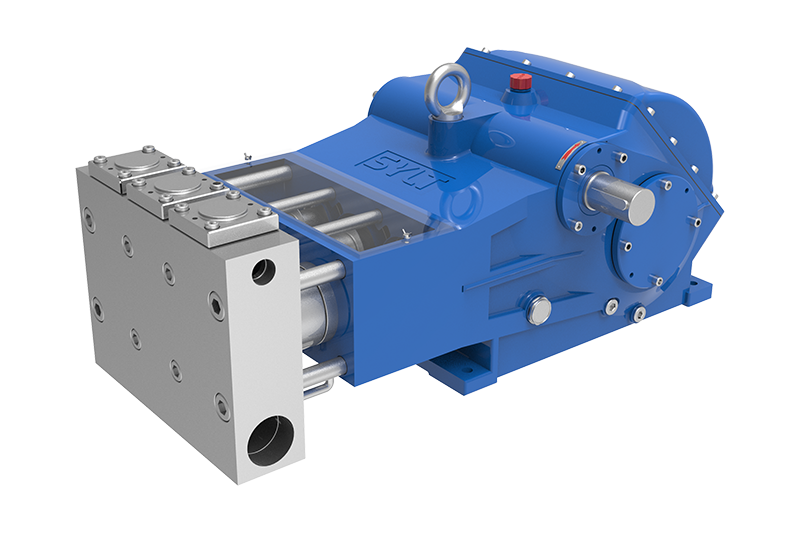
The Transformative Impact of Technology on Industrial High Pressure Pumps
The Transformative Impact of Technology on Industrial High Pressure Pumps
Table of Contents
- Introduction to High Pressure Pumps
- Historical Background of High Pressure Pump Technology
- Current Technology Trends in High Pressure Pumps
- Advancements in Materials Used for High Pressure Pumps
- The Role of Automation and Smart Technology
- Sustainability in Industrial High Pressure Pump Design
- Diverse Applications of High Pressure Pumps Across Industries
- The Future of High Pressure Pump Technology
- Conclusion
- Frequently Asked Questions
Introduction to High Pressure Pumps
High pressure pumps play a crucial role in a myriad of industrial applications, from oil and gas extraction to chemical processing and water supply systems. As industries strive for increased efficiency, reliability, and sustainability, the role of technology in developing advanced high pressure pumps becomes more pertinent. This article delves into the evolution of technology in the design and operation of industrial high pressure pumps, examining current trends and future implications.
Historical Background of High Pressure Pump Technology
The journey of high pressure pump technology began in the early 19th century, with the development of steam-driven pumps. These initial designs laid the groundwork for the evolution of pumping systems. Throughout the 20th century, advancements in engineering and materials science led to more robust and efficient pumps capable of handling higher pressures. Each era of technological innovation introduced enhancements in pump design, efficiency, and application versatility.
The introduction of electric motors in the mid-20th century marked a significant turning point, allowing for more consistent and controllable operations. As industries expanded, the demand for high pressure pumps surged, necessitating further innovations to address the unique challenges posed by various applications.
Current Technology Trends in High Pressure Pumps
Modern high pressure pumps are characterized by their sophisticated designs and advanced technologies. One significant trend is the integration of digital technologies, which enhance operational efficiency and performance. Key innovations include:
1. **Variable Frequency Drives (VFDs)**: These devices allow for precise control over pump speed and flow rates, resulting in significant energy savings and improved system responsiveness.
2. **Advanced Monitoring Systems**: Real-time monitoring of pump performance through IoT sensors helps in predictive maintenance, reducing downtime and increasing reliability.
3. **Computational Fluid Dynamics (CFD)**: CFD simulation aids in optimizing pump designs for specific applications, enhancing efficiency, and minimizing energy consumption.
4. **Smart Material Integration**: The use of advanced composites and alloys has led to lighter, stronger pumps that can withstand extreme conditions.
These technological advancements contribute to the efficiency, safety, and longevity of high pressure pumping systems across various industries.
Advancements in Materials Used for High Pressure Pumps
The choice of materials significantly influences the performance and durability of high pressure pumps. Recent advancements have introduced materials that enhance corrosion resistance, improve weight-to-strength ratios, and extend service life. Some notable materials used in modern high pressure pumps include:
- **Stainless Steel Alloys**: Known for their resistance to corrosion and high strength, these alloys are commonly used in pumps operating in harsh environments.
- **Composite Materials**: Lightweight and robust, composites offer superior performance while reducing overall weight, making them ideal for portable and mobile applications.
- **Ceramics**: Used in wear parts, ceramics provide exceptional hardness and resistance to abrasive materials, significantly extending operational lifespans.
These material innovations enhance pump reliability and reduce maintenance costs, ultimately leading to more efficient industrial operations.
The Role of Automation and Smart Technology
Automation is reshaping the landscape of industrial high pressure pumps. The integration of smart technology facilitates advanced control systems, allowing for seamless operation and monitoring. Key aspects include:
1. **Remote Monitoring**: Operators can monitor pump performance and diagnose issues from remote locations, minimizing the need for on-site inspections.
2. **Automated Control Systems**: These systems adjust pump operation based on real-time data, optimizing performance and reducing energy consumption.
3. **Data Analytics**: Analyzing operational data helps in identifying trends, potential failures, and opportunities for efficiency improvements.
4. **Integration with Industry 4.0**: High pressure pumps are increasingly becoming part of interconnected systems, enabling smarter manufacturing processes and improving overall operational efficiency.
The result is a more responsive and efficient pumping system that can adapt to varying operational demands.
Sustainability in Industrial High Pressure Pump Design
The growing focus on sustainability is influencing the design and operation of high pressure pumps. Manufacturers are adopting eco-friendly practices and materials to reduce environmental impacts. Key initiatives include:
- **Energy Efficiency Improvements**: Modern high pressure pumps are designed to consume less energy, often utilizing advanced motor technologies and variable speed drives.
- **Recyclable Materials**: The use of recyclable components in pump manufacturing minimizes waste and promotes a circular economy.
- **Reduced Carbon Footprint**: By optimizing designs for longevity and efficiency, manufacturers are helping industries reduce their overall carbon emissions.
These sustainability efforts not only benefit the environment but also lead to cost savings and improved corporate responsibility, aligning with global sustainability goals.
Diverse Applications of High Pressure Pumps Across Industries
High pressure pumps are integral to a wide range of applications across various sectors. Their versatility is exemplified in:
1. **Oil and Gas**: Used for hydraulic fracturing, transportation, and refining processes, high pressure pumps are essential in maximizing resource extraction.
2. **Chemical Processing**: These pumps facilitate the movement of corrosive fluids and slurries, ensuring safe and efficient operation in chemical plants.
3. **Water Treatment**: High pressure pumps are crucial in municipal water systems for distribution and treatment processes, ensuring clean water supply.
4. **Food and Beverage**: In this sector, high pressure pumps are used for pasteurization and other processing methods, adhering to strict hygiene standards.
5. **Pharmaceuticals**: Ensuring precise dosing and transport of fluids, high pressure pumps are vital in the manufacturing of pharmaceutical products, providing reliability and safety.
The unique requirements of each industry drive the continuous evolution of high pressure pump technology, ensuring they meet specific operational challenges.
The Future of High Pressure Pump Technology
Looking ahead, the future of industrial high pressure pumps is characterized by continued advancements in technology and design. Emerging trends include:
- **Increased Use of AI and Machine Learning**: These technologies will enhance predictive maintenance, improve efficiency, and enable smarter operational decisions.
- **Further Material Innovations**: Research into advanced materials will lead to pumps that are not only more efficient but also capable of withstanding even more extreme conditions.
- **Greater Integration with Renewable Energy Sources**: As industries transition to greener practices, high pressure pumps will increasingly be designed to operate efficiently with renewable energy systems.
- **Focus on Modular Designs**: Modular high pressure pumps can be customized for specific applications, offering greater flexibility and ease of maintenance.
These advancements will ensure that high pressure pumps continue to play a vital role in the ever-evolving industrial landscape.
Conclusion
The role of technology in the evolution of industrial high pressure pumps cannot be overstated. As industries demand greater efficiency, sustainability, and reliability, the integration of advanced technologies has revolutionized pump design and operation. From innovative materials to automated systems, the continuous development in this field promises to meet the challenges of modern industrial applications. As we look to the future, high pressure pumps will undoubtedly remain a cornerstone of industrial operations, driven by technological advancements that enhance performance and ensure sustainability.
Frequently Asked Questions
What are high pressure pumps used for
High pressure pumps are employed in various applications, including oil and gas extraction, chemical processing, water treatment, and food and beverage manufacturing.
How do variable frequency drives improve pump efficiency
Variable frequency drives allow for precise control of motor speed and flow rates, leading to significant energy savings and improved operational efficiency.
What materials are commonly used in high pressure pumps
Common materials include stainless steel alloys, composite materials, and ceramics, each chosen for their strength, durability, and resistance to corrosion.
What is the significance of automation in pump technology
Automation enhances the operational reliability of pumps, enabling real-time monitoring, predictive maintenance, and improved efficiency through smart control systems.
How do high pressure pumps contribute to sustainability
High pressure pumps designed for energy efficiency and made from recyclable materials help reduce environmental impact, lower energy consumption, and promote sustainable industrial practices.

The 17th China International Powder Metallurgy and Hard Alloy Exhibition
The 2025 17th China International Powder Metallurgy and Hard Alloy Exhibition from March 10-12, 2025, at the Shanghai World Expo Exhibition and Convention Center, Hall H1, B425. We welcome guests to visit.
"Private custom" product design, reliable and durable finished products
"Private custom" like product design, reliable and durable finished products, professional and timely after-sales service. It is the "three basic concepts" that the company adheres to from the beginning until today ".
Experienced market research team, independent product development concept
We have experienced mature market research team, independent product research and development concept, professional design and manufacturing technology so that the company's products can be adjusted according to the specific requirements of customers timely design
黑料不打烊 CONTACT
Address: No.2 Road, Xiaodian Town Industrial Zone, Beichen District, Tianjin


